
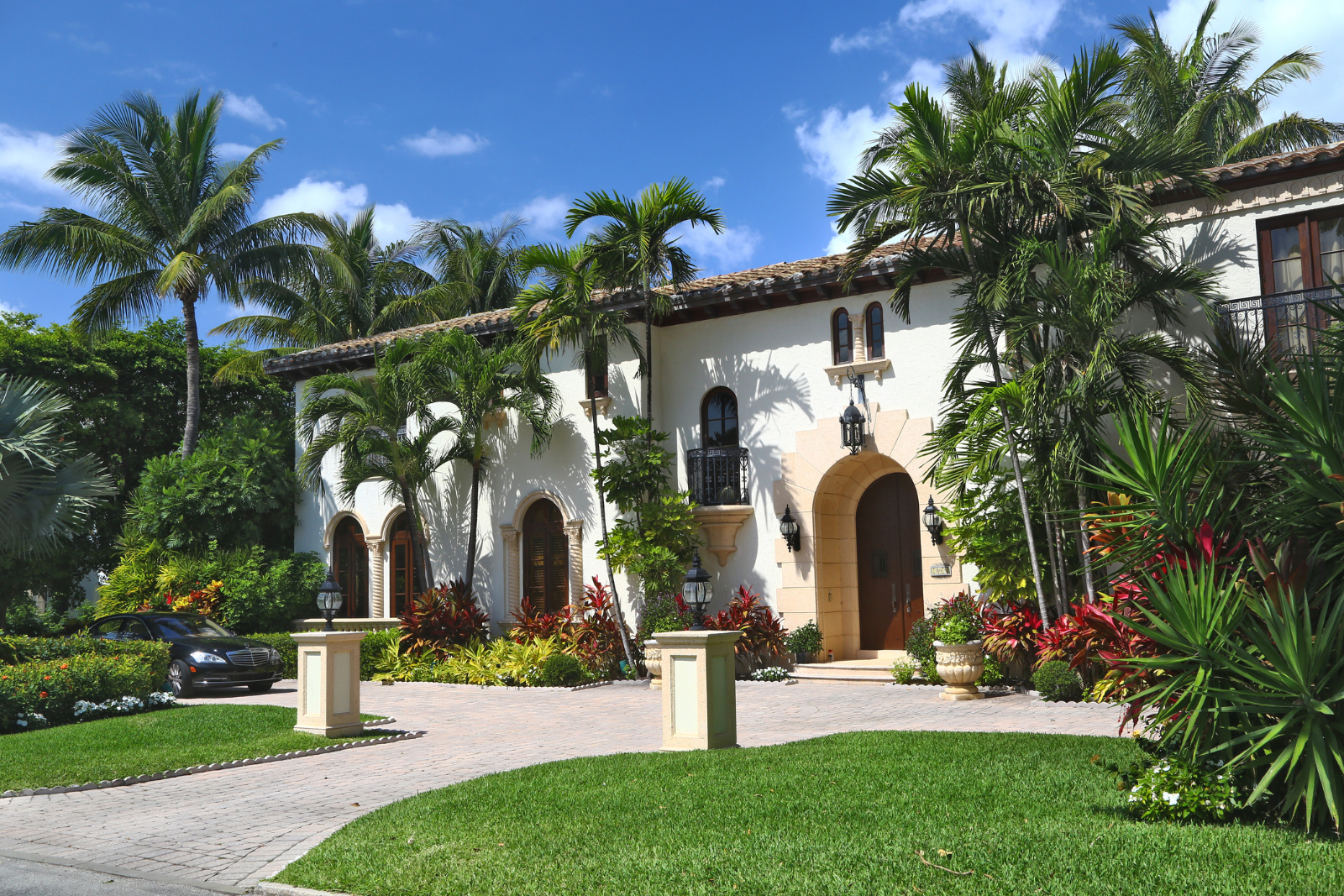
The record-shattering $97.5 million sale of the Wrigley estate in Palm Beach’s Lost Tree Village raises a critical question: What truly defines value at the market’s absolute peak?
This isn’t just about a record-breaking number. It’s about the specific shift in logic that occurs when a neighborhood finds a new ceiling.
This breakdown moves past the headlines to look at how this deal actually changes the local narrative. Whether you’re focused on Lost Tree Village real estate specifically or weighing luxury alternatives across North County like Palm Beach Gardens and Jupiter, understanding these developments is essential for navigating the market in 2026.
THE LOST TREE VILLAGE, EXPLAINED
To understand why the Lost Tree Village transaction stands out as a benchmark, start with the fundamentals: its location in North Palm Beach, the type of buyers it attracts, and the private, low-profile lifestyle it offers. These factors reveal the real drivers behind a record-setting sale.
📍 Where exactly is Lost Tree Village?
Lost Tree Village is a quiet coastal pocket in North Palm Beach, perfectly positioned between the Atlantic Ocean and the Intracoastal Waterway.
It sits right along the A1A/Jack Nicklaus Drive corridor, just east of where PGA Boulevard meets the coast.
This unique spot is bordered to the south by the wide-open greenery of John D. MacArthur Beach State Park. It’s a very specific slice of the shoreline that feels tucked away from the busier commercial stretches of Palm Beach Gardens, even though those local shops and restaurants are only a few minutes away.
💸 Why do the ultra-wealthy choose Lost Tree Village?
The ultra-wealthy choose Lost Tree Village in North Palm Beach because it offers an exceptionally private, secure sanctuary.
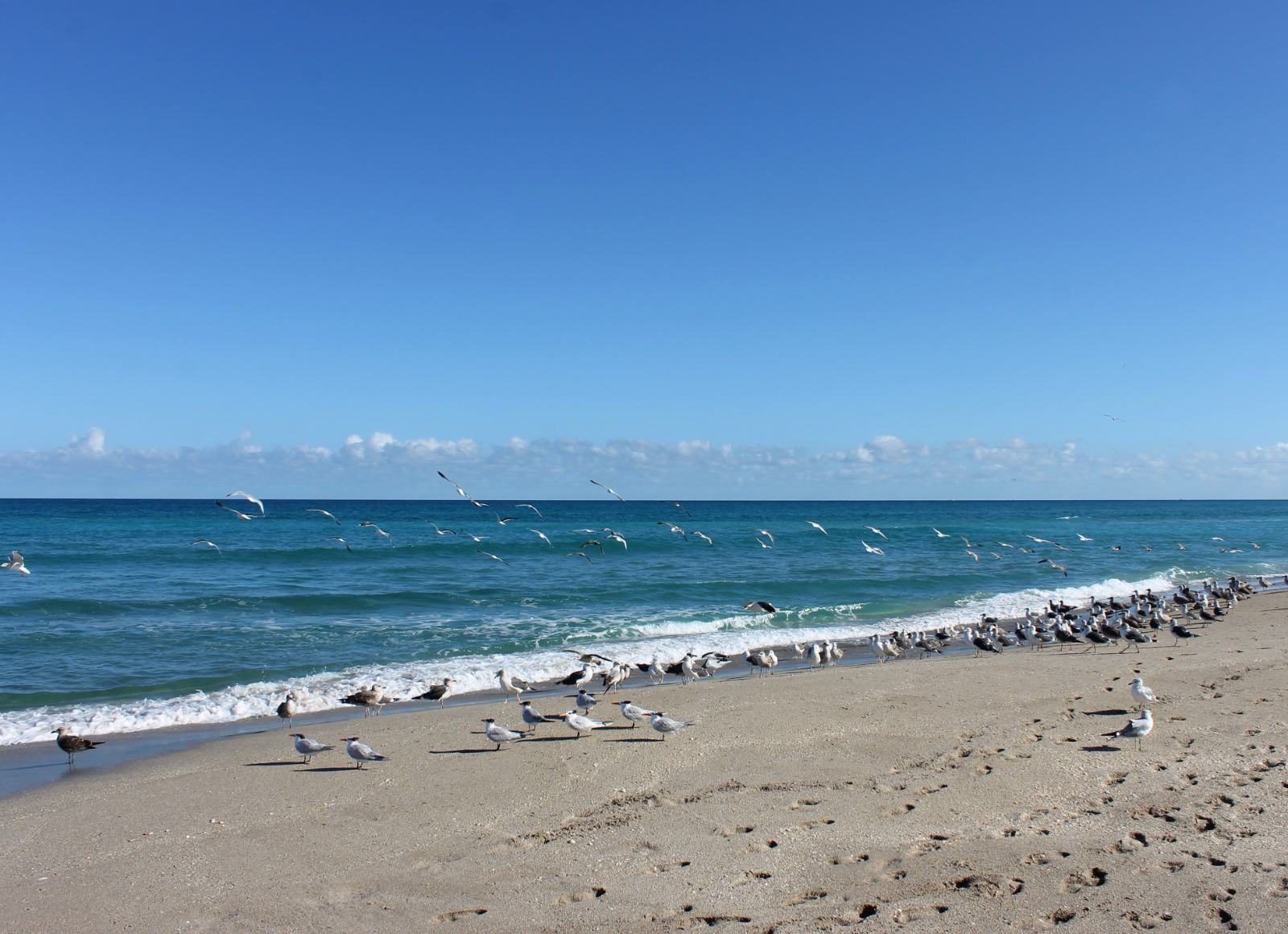
Why homes for sale in Lost Tree Village stand out:
🏘 Established and fully built
Founded in 1961, this 450-acre enclave is fully built out with exactly 524 residences. There is no future overdevelopment risk, no sudden density increases, and no evolving neighborhood character. What exists today is what will endure.
🔐 Built-in privacy
Bordered by Seminole Landing to the north and protected by gated access, the community avoids through-traffic and outside congestion. Residents enjoy a level of seclusion rarely found in busier parts of Palm Beach Gardens.
🌴 A private club lifestyle
Life centers around the exclusive Lost Tree Club located within the gates. Championship golf, tennis, and a private oceanfront beach club are all a short golf-cart ride away. Social life, recreation, and daily living remain entirely self-contained.
👥 Who lives in Lost Tree Village?
Lost Tree Village in Palm Beach is home to Fortune 500 executives, industry titans, professional athletes, and high-net-worth families who value its rare blend of oceanfront living and world-class amenities.
Past and present residents have included billionaire William Wrigley Jr., the great-grandson of the chewing gum magnate, who finalized a record-setting sale in December 2025.
Other notable homeowners have included:
- Golf legend Jack Nicklaus and his family who owns four homes
- Ken Langone, co-founder of The Home Depot
- Susan Haslam, co-owner of the Cleveland Browns, Columbus Crew, and Milwaukee Bucks
- Jeffrey A. Blomberg, an executive at WorldQuant Ventures, whose estate is among the highest-valued properties in the community (approx. $44.5 million)
Yet the community is not defined by celebrity but by the intensity and clustering of elite ownership within a tightly limited enclave. Surely, a small, fully built enclave with estate-sized properties, deep-water access, and a private club structure would naturally attract individuals operating at the highest levels of business and finance.
In Lost Tree, influence is present, but rarely publicized.
📍 What’s the best strategy for home buying in Lost Tree Village?
Given that the Lost Tree Village housing market remains an ultra-exclusive, low-inventory landscape characterized by record-breaking sales and high demand for trophy properties, home buying requires more than a typical real estate strategy.
Because homeownership and club access are closely connected, successful buyers plan for both the property and the community process.
- FIRST, work with a specialist who understands off-market opportunities and long-standing community guidelines. Many sales occur quietly, and experienced local agents can help identify inventory early while also navigating architectural review requirements if renovations are planned.
- SECOND, consider properties that include a Founding Membership Certificate. Only a limited number remain, and they allow buyers to bypass the often lengthy wait for active golf membership. These homes typically command a premium but provide immediate access to the course.
- THIRD, begin the membership process early with the private Lost Tree Club. Club access is separate from property ownership and requires sponsorship and reference letters. Establishing relationships well in advance can streamline approval
- FOURTH, budget for total entry costs. In addition to the purchase price, buyers may encounter property owners association fees, one-time assessments, and required club equity purchases.
- FINALLY, understand the entry tiers. Club suites and cottages offer a lower price point for those seeking access, while waterfront and golf-course estates represent the primary market and command significantly higher values.
In this community, strategy, timing, and preparation are just as important as the home itself.
THE RIPPLE EFFECTS OF A $97.5M NORTH PALM BEACH RECORD
A $97.5 million sale doesn’t recalibrate values across North Palm Beach mansions overnight, but it does change the conversation at the top end of the market.
In a neighborhood where a handful of transactions can influence perception and pricing, a record-setting closing carries real signaling power. That kind of benchmark subtly resets conversations around value, positioning, and negotiation in the luxury tier.
The following analysis examines how this transaction may influence the way buyers and sellers define value – from how comparable sales are selected to how private negotiations shape pricing well before listings reach the public market.
📈
A new ceiling, but not a new normal
This $97.5 million sale sets a new ceiling for Lost Tree Village real estate. There are only a few examples of sales at this level, so this deal gives everyone a fresh benchmark to watch. However, it’s important to treat this as a record-breaking outlier, not a price you can compare to a standard home.
The massive Wrigley compound on Old Harbour Road included two separate North Palm Beach mansions and multiple boat docks. Because this was an off-market deal for two combined waterfront lots, it’s nearly impossible to replicate in a neighborhood that’s already fully built out.
💡Tip: When you’re looking at property in North Palm Beach, look at this sale as proof of what buyers will pay for a one-of-a-kind estate. It shows that the market is incredibly strong at the very top, but it doesn’t mean that every single-lot home is suddenly worth tens of millions more.
🏖 It’s all about land and water
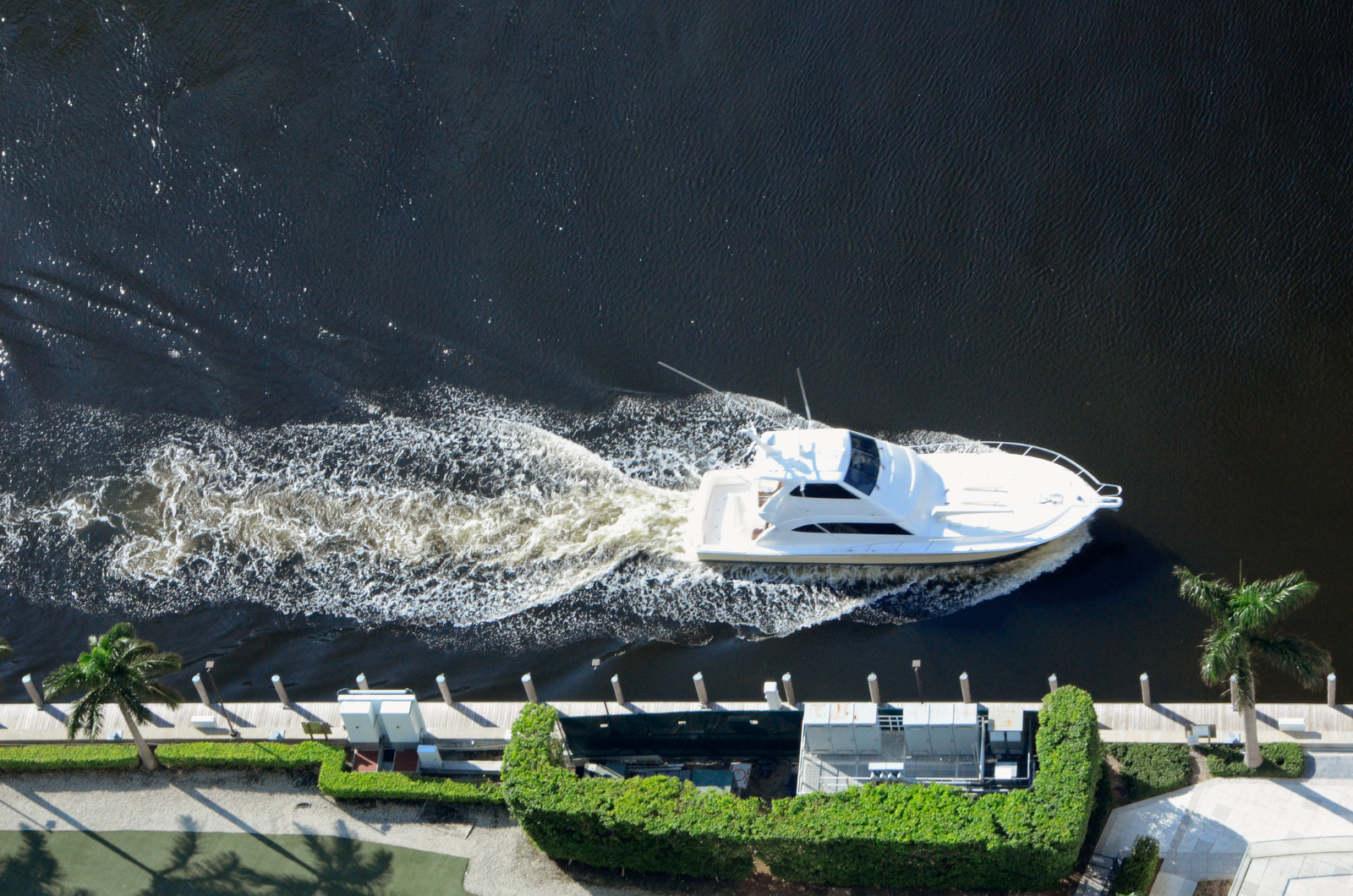
This sale reinforces a core principle in the ultra-luxury market: value is driven by what the land enables. While many buyers focus on interior finishes, serious purchasers in Lost Tree Village evaluate site utility first, including waterfront access, orientation, dock potential, and long-term flexibility.
This transaction on Old Harbour Road involved a 2.5-acre assemblage along the Intracoastal Waterway. At $97.5 million, that equates to approximately $39 million per acre. While this figure should not be applied as a blanket benchmark, it highlights the significant premium commanded by rare, combined waterfront parcels that are difficult to replicate elsewhere.
In North Palm Beach, there’s also a big difference between having a water view and having a workable waterfront. The Wrigley compound features multiple docks, meaning the owners can actually use the Intracoastal for their boats right from their backyard. That kind of functionality is a major value driver that goes far beyond just a nice backdrop.
💡Tip: When you’re looking at high-end listings, think like a top-tier buyer. Start with the size of the land, then check the waterfront utility (like dock space), and look at the house last. That’s the hierarchy that drove the Wrigley estate’s record-setting price.
🚩 Don’t get trapped by price per square foot
When a record-setting sale occurs, it’s tempting to calculate price per square foot and treat that number as definitive. In Lost Tree Village, Palm Beach that approach can be misleading.
This transaction involved an off-market assemblage across two parcels. Without a confirmed total square footage for the combined estate, any per-foot calculation is inherently incomplete. Relying on portal-listed figures alone may not reflect the full property scope.
The same caution applies to neighborhood averages. As a small, highly exclusive micro-market, even one significant closing can materially influence median prices and average price-per-square-foot statistics. Those figures provide context, but they should not be used as rigid pricing benchmarks.
In ultra-luxury markets, site characteristics, scarcity, and transaction structure often matter more than simple metrics.
💡Tip: Only use price per square foot when you have verified numbers and the properties are actually similar. With a unique deal involving multiple lots, focus on the fundamentals – like land size and waterfront access – first, then use the math to double-check your thinking, not to lead it.
🤝 Private deals shape the market quietly

The Lost Tree Village sale highlights an important dynamic at the top end of real estate: many of the most influential pricing benchmarks happen off-market.
This property never accumulated days on market or a visible history of price adjustments. Instead, the only public data point is the final closing price – $97.5 million – which now becomes part of the permanent record.
In a limited-inventory environment like Lost Tree Village, where only a handful of comparable estates exist, a single transaction can meaningfully influence how future buyers and sellers frame value. Without broad sales volume to smooth pricing trends, each major closing carries added weight.
It’s also notable that transactions at this level tend to move through a small circle of experienced specialists. In relationship-driven markets, access and timing often matter as much as exposure.
💡Tip: In luxury markets, pay attention to private transactions. They often set pricing direction before public data reflects the change.
THE NEW MAP OF LUXURY ALTERNATIVES
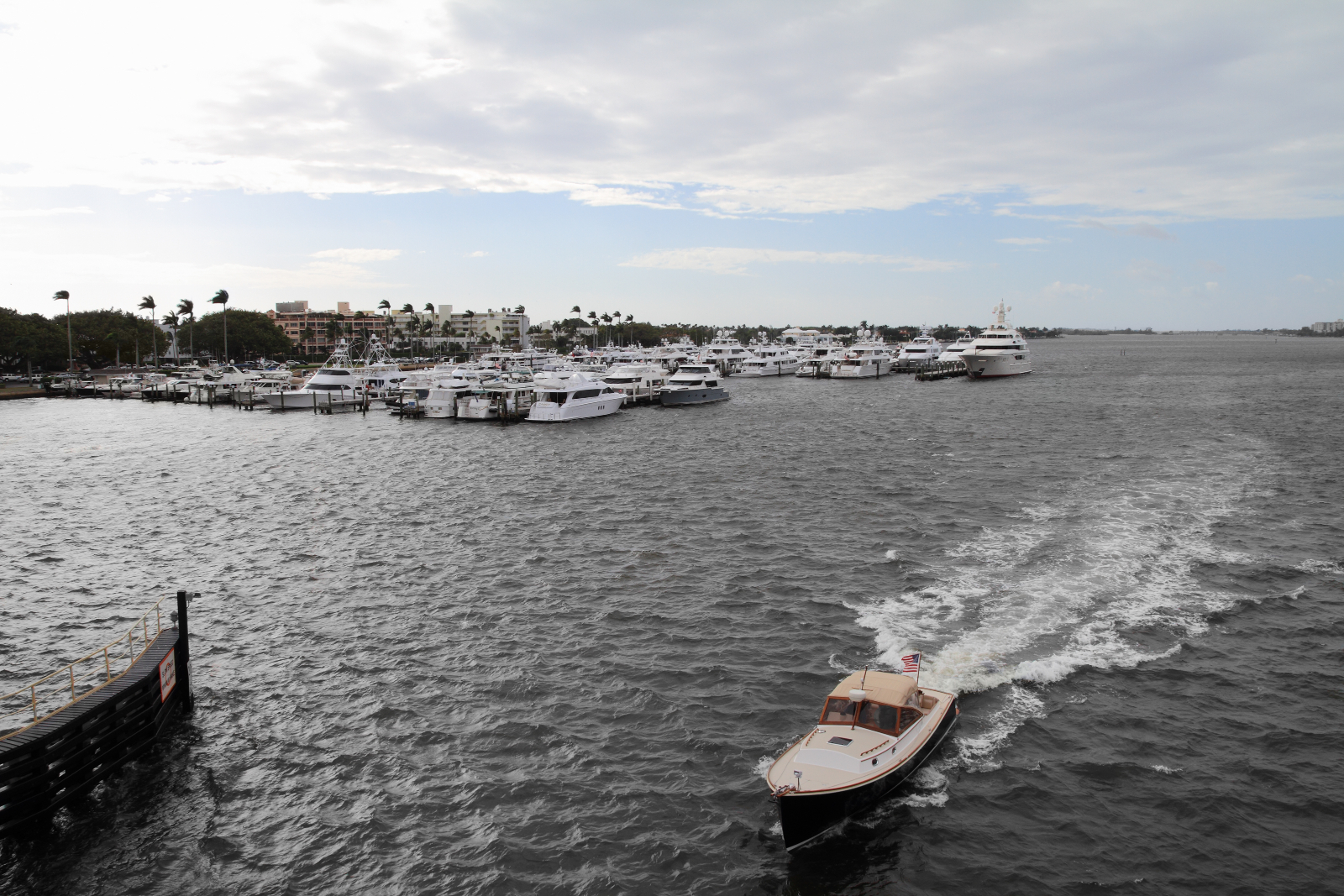
When Lost Tree Village real estate sets a new price benchmark, serious buyers rarely reduce their budgets. Instead, they redirect their search toward properties that reflect the same core value drivers: usable waterfront, privacy, or integrated club living.
Depending on which of those priorities is most important, the search often leads to different types of high-end opportunities:
🌊 If waterfront functionality matters
Buyers focus on properties with private docks and direct access and not just scenic views. The emphasis moves to water that supports daily boating beyond aesthetics.
👫If privacy and control are the priority
The search often turns to gated communities where access is limited and neighborhood character remains stable over time.
🔒 If lifestyle convenience is the goal
Attention shifts to amenity-driven club communities, where recreation, social life, and services are built into the environment.
For example, communities like The Club at Ibis operate under a different buyer logic than a small coastal enclave. Ibis is the community of choice when the goal is a full-scale lifestyle package rather than the scarcity of land. With multiple golf courses and an expansive social calendar, the value of Ibis is derived from access to structured recreation and social infrastructure right outside the front door.
Quick investment comparison: Lost Tree Village vs. Ibis
| Lost Tree Village | The Club at Ibis | |
| What drives value | A rare location: A coastal setting between the ocean and Intracoastal, featuring private docks and beach access. | Lifestyle amenities: Demand is driven by a full set of club amenities and three Nicklaus-family golf courses. |
| Supply and comps | Limited supply: A small, fixed footprint means fewer properties are available for direct price comparisons. | More choice: With 1,800+ homes across 33 neighborhoods, there are more internal sales to compare. |
| How to evaluate | Site utility: Focus on the property’s physical fit, specifically water use, dock setup, and the feeling of privacy. | Membership and lifestyle: Evaluate membership terms first, then view the home as a lifestyle choice with many similar options. |
Explore the communities at Ibis
TURNING THE 2026 MARKET DRIVERS INTO ACTIONABLE STRATEGY
The South Florida luxury market is moving fast. Here‘s how to navigate the current drivers:
📃 Start prepared
With wealth migration fueling 361 closings over $10 million last year, ready to move is the new standard. If you’re buying, show up with your proof of funds and financing ready to go.
🕒 Plan your timing carefully
Florida’s tax advantages are still a huge draw, but they require precision. Work with your accountant or attorney early so your move is dictated by residency and tax laws, not by a listing agent’s timeline.
🔎 Check the property’s systems
The new waterfront utility is becoming a rare, non-renewable resource. Don’t just look at the view; verify the dock and seawall permits, as the paperwork often holds as much value as the land itself.
💰 Focus on a smooth deal
With $4.4 billion in international demand, many sellers now value a clean deal over a high price. If you’re buying, removing unnecessary contingencies can often give you more leverage than a bigger check.
FAQs
🅰️ Yes, many of the most significant pricing signals occur through off-market deals driven by a desire for discretion. These high-stakes transactions move through a tight circle of specialists before ever reaching the public eye.
🅰️ It’s a primary valuation driver because waterfront properties are a non-renewable resource. Value here is dictated by “utility,” meaning proven dockage and direct Intracoastal access, rather than a purely decorative view.
🅰️ In this market, sellers often prioritize certainty over the highest headline price. Buyers who arrive with clear criteria, fully secured financing or proof of funds, and a strong track record of smooth closings gain a meaningful advantage. In ultra-luxury transactions, clean execution can be more persuasive than a slightly higher offer.
🅰️ Demand is split between coastal fundamentals like the private beach access in Lost Tree Village and the built-in social ecosystems found in club-first communities like Ibis.
🅰️ Not necessarily, as appreciation is often offset by high carrying costs for maintenance, insurance, and shoreline infrastructure. These estates should be viewed as unique lifestyle assets rather than guaranteed fast-growth investments.
CUT THROUGH THE MARKET NOISE

In a market where one $97.5 million sale can shift the whole narrative overnight, the most valuable asset isn’t more data but the ability to filter it. When the stakes are this high, you need a partner who can pressure-test value, protect your downside, and maintain a steady hand through the closing process.
Mike Ivancevic provides that grounded, local lens. A Palm Beach County native and Managing Broker with Illustrated Properties, Mike has been an award-winning professional every year since 2010. Because he lives the lifestyle himself (he often goes boating and fishing with his family) he’s uniquely positioned to spot “looks good online” issues before they become expensive problems in escrow.
If you’re ready to cut through the noise, call Mike at 561.202.7102 or email him to discuss your goals and your non-negotiables.